FLASHBACK FRIDAY
Marguerite Jervis: The Forgotten Queen of Romance
For Flashback Friday, we rediscover a once-famous storyteller whose remarkable career stretched from bestselling novels and silent cinema to an ambitious theatre in Aberystwyth.
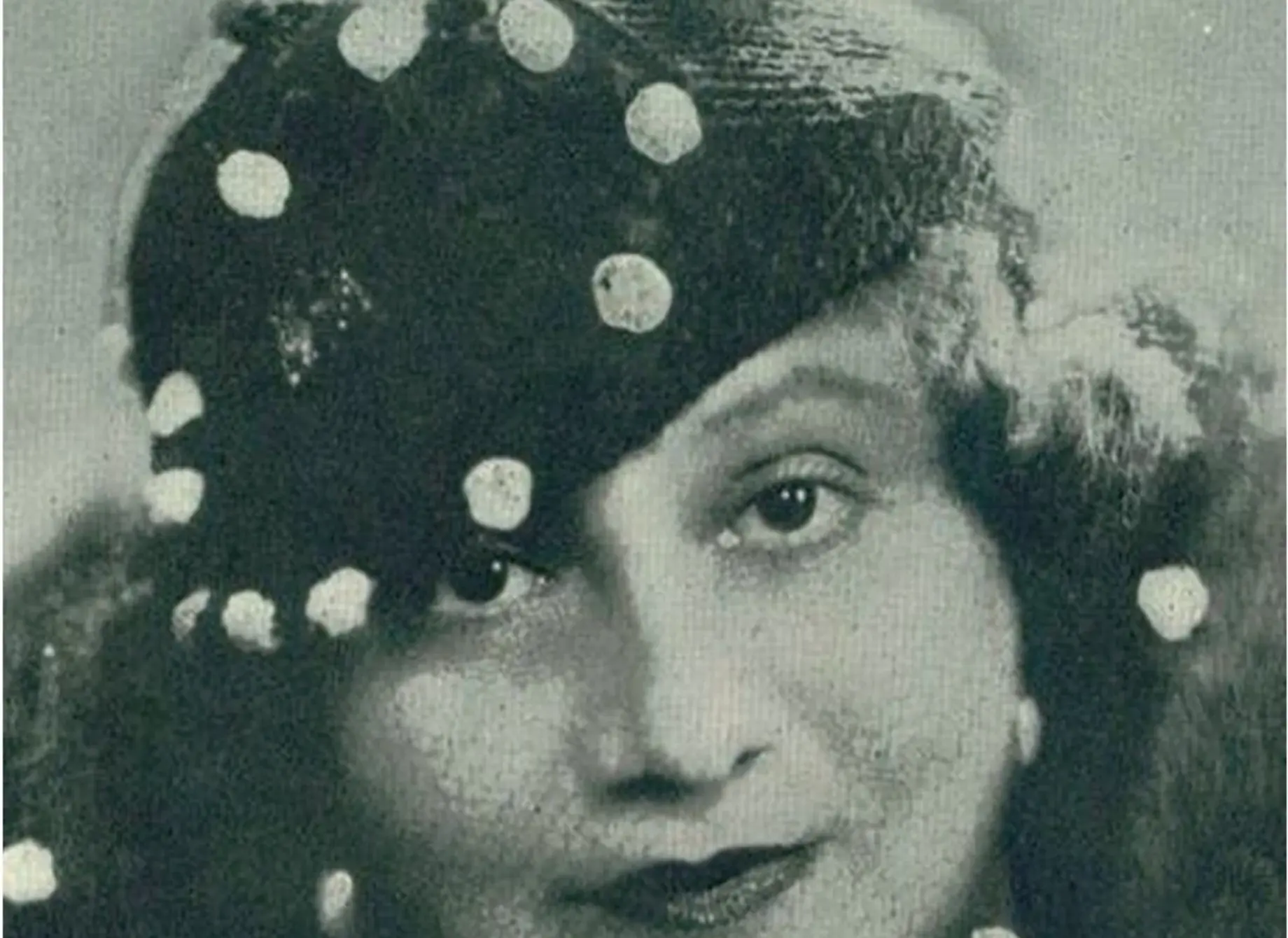
First published as The forgotten Queen of Romance in our September/October 2021 edition, Liz Jones’s feature restores Marguerite Jervis to the centre of a story in which she was once the star. A bestselling author, actor and theatre impresario, Jervis built a career under several names before making Ceredigion her home.
Born in 1886, she wrote as Oliver Sandys and Countess Hélène Barcynska, among other names. Her novels often followed women making their own way through the theatre, work and relationships. The original feature describes a formidable output and a readership large enough to make her one of the most commercially successful popular writers of her day.
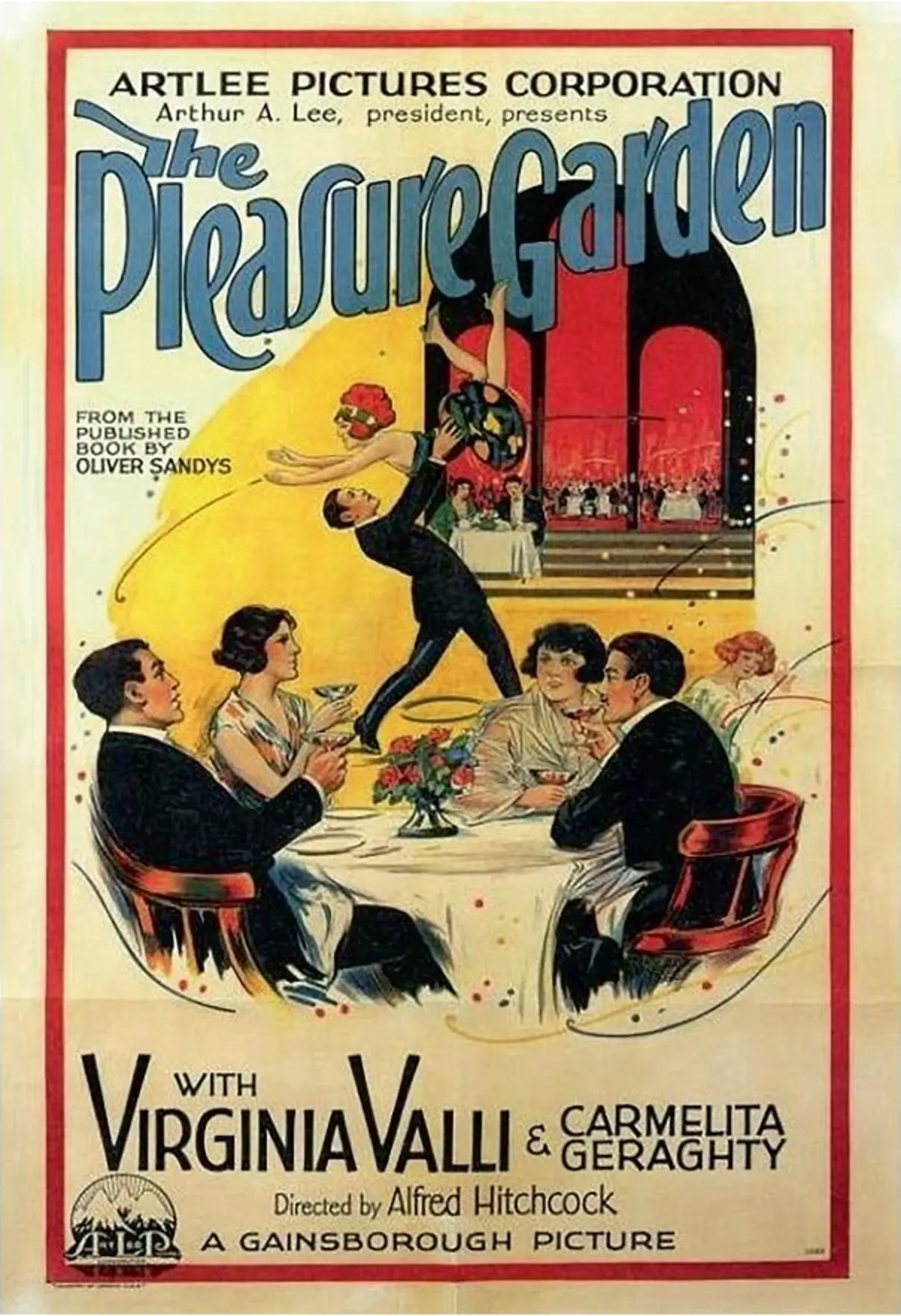
Cinema carried her stories further. Eleven of her novels were adapted for the screen, including The Pleasure Garden, published under the Oliver Sandys name in 1923. Alfred Hitchcock directed the silent film adaptation in 1925; the BFI describes it as his debut feature and notes that it was shot in Germany and on Lake Como.
The original poster gives Oliver Sandys prominent billing above Hitchcock’s name. It is a striking reminder that Jervis entered the project as the established name, while its young director was only beginning the career that would make him internationally famous.
From page to silent screen
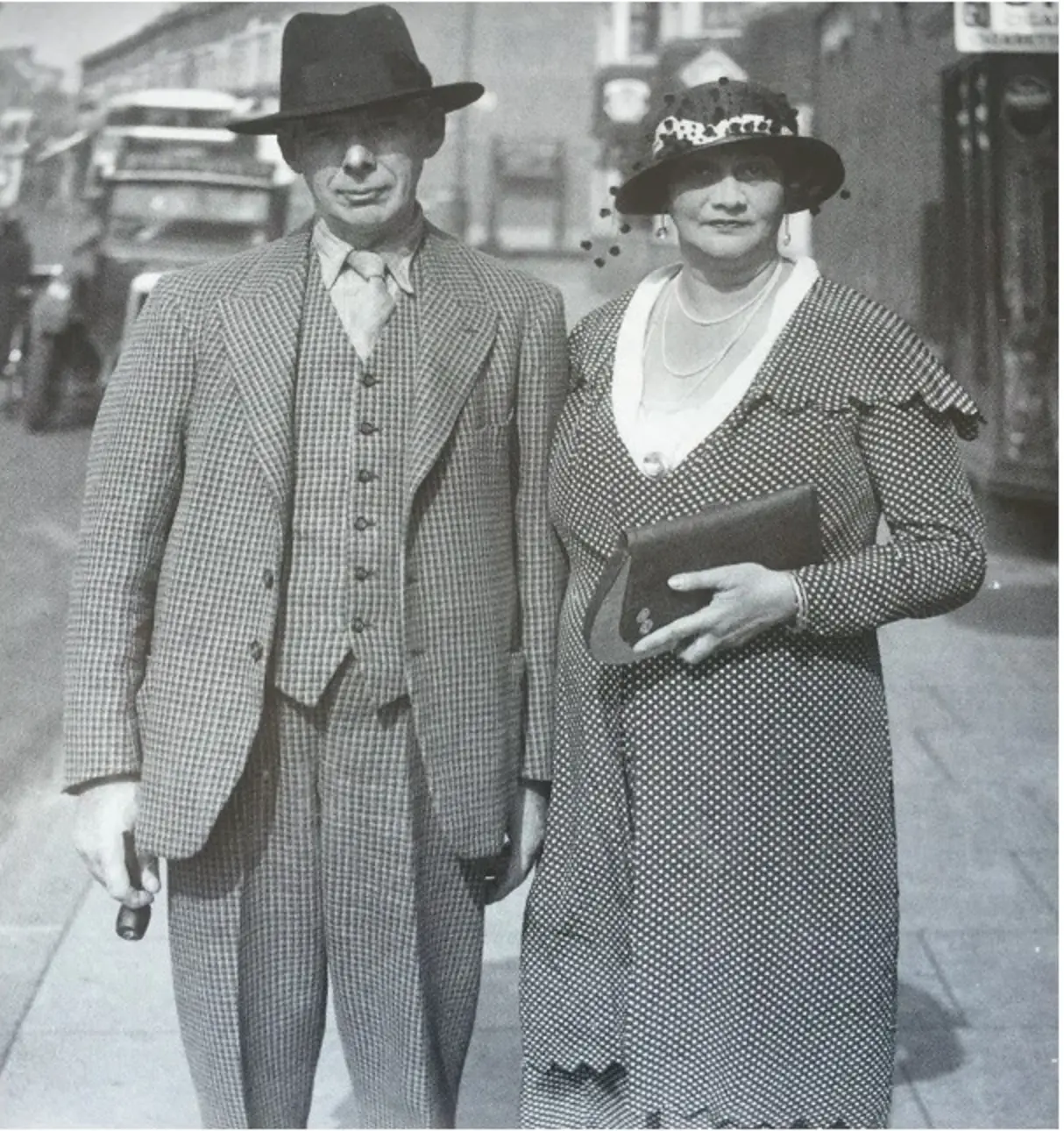
Jervis’s long connection with Ceredigion began in 1933, when she and the writer Caradoc Evans moved from London to Aberystwyth. The couple became conspicuous local figures and filled their Queen’s Square home with books, art and visitors. Jervis later wrote that the town was the setting of her soul and remembered those years as among the happiest of her turbulent life.
Aberystwyth also gave her the chance to return to the stage. She formed the Rogues and Vagabonds repertory company, with ambitions to bring West End drama to West Wales. She continued her demanding writing schedule at the same time, using the proceeds from each book to help finance the next production.
In 1935 she opened the Quarry Theatre in a converted building in Queen’s Road. Despite an imaginative programme and her flair for attracting an audience, the costs of running a permanent venue proved difficult. Storm damage, a leaking roof and competition from a new cinema and dance hall added to the pressure, and the theatre closed in 1938.
During the Second World War, Jervis returned to Ceredigion and settled with Evans and her son Nicholas at Brynawelon near New Cross. There she wrote her memoir, Full and Frank: The Private Life of a Woman Novelist, and continued producing fiction at extraordinary speed. The years were productive but, as the original article records, family life was often troubled.
An extraordinary Aberystwyth chapter
Jervis died in 1964 and was buried with Evans in Ceredigion. Her fame had faded, while the house in Queen’s Square carried a plaque naming only her husband. Liz Jones’s biography, The Queen of Romance, and the original West Wales Life & Style feature both make the case for remembering Jervis in her own right.
A century after The Pleasure Garden reached the screen, her story still has unusual range: popular fiction, women’s working lives, early cinema and an ambitious chapter in Aberystwyth’s theatre history. It is an ideal rediscovery for an autumn evening—and proof that one of West Wales’s most intriguing cultural figures was never simply a footnote to more famous men.
This Flashback Friday feature is republished from West Wales Life & Style, September/October 2021, pages 46–49. It has been lightly edited for the web, with film details checked against the British Film Institute in October 2026. The archive photographs and poster shown here appeared in the original magazine feature.