FLASHBACK FRIDAY
Mari Lwyd, Plygain and More: The Weird and Wonderful Welsh Winter Traditions
For Flashback Friday, Liz Jones revisits the songs, processions, food and mischief that make the Welsh festive season unlike any other.
First published as Season’s greetings in our November/December 2022 edition, Liz Jones’s feature opens a door onto the colourful, devout and sometimes wonderfully strange customs of a Welsh winter. Some were centred on chapel and church, others on food, music, friendly rivalry and a little seasonal chaos.
Plygain, Noswyl Nadolig — Christmas Eve — was traditionally an early-morning service filled with unaccompanied Welsh carols. Times varied from parish to parish, but worshippers might gather between three and six in the morning, lighting dark churches with candles before soloists, duets and small groups took turns to sing. Museum Wales records that the custom was once widespread and remains especially strong in parts of mid and north Wales.
The hours before plygain could become a celebration of their own. In some country districts families and neighbours gathered at farmhouses to make cyflaith, or treacle toffee, while other communities decorated homes, sang and waited together for the service. The original feature’s archive photograph of young singers gives that communal tradition a wonderfully human face.
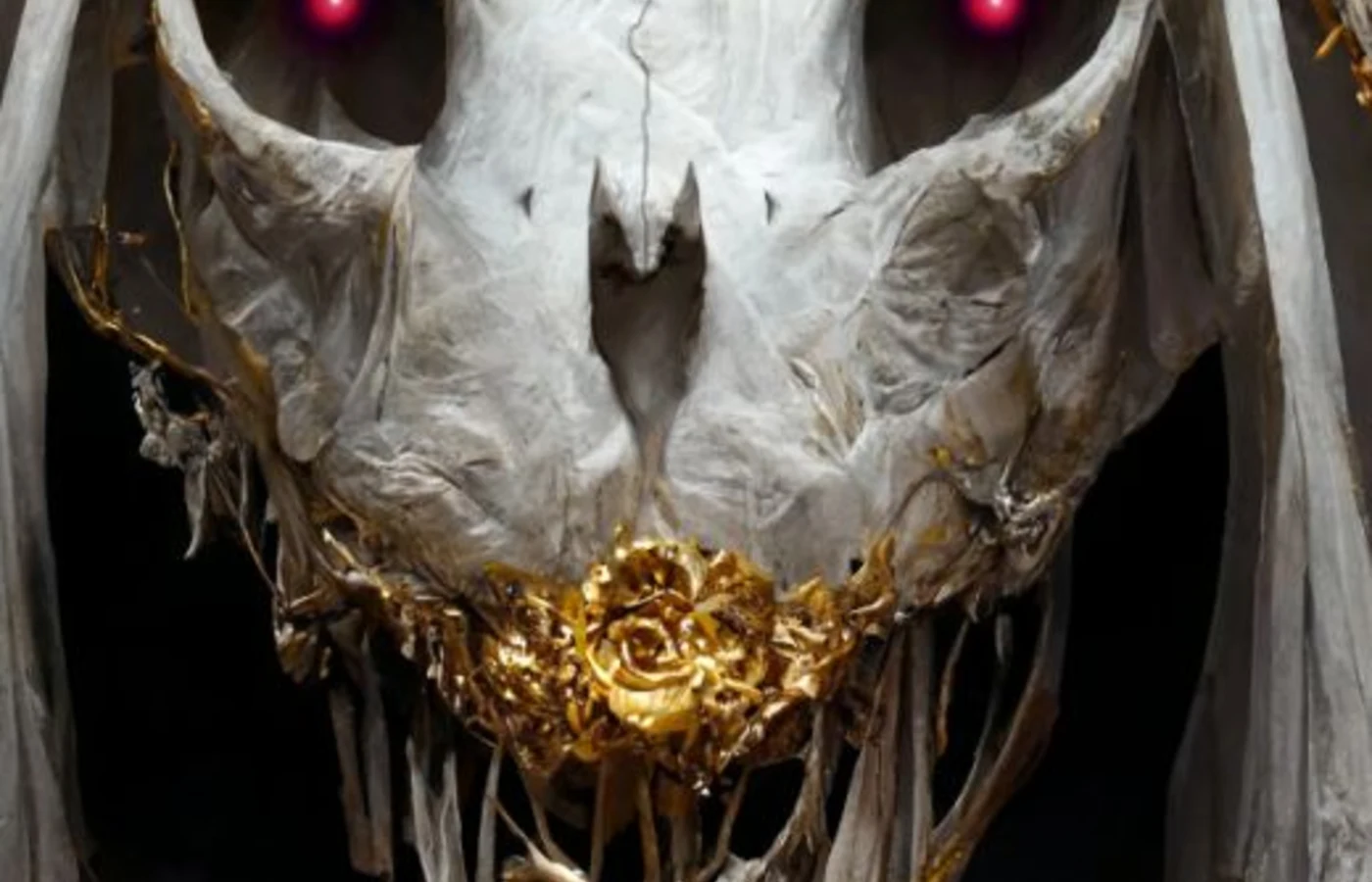
Another custom carried music from the church into the street. The Mari Lwyd — literally the Grey Mare — is a decorated horse’s skull fixed to a pole and hidden beneath a white cloth. Accompanied by a group of singers, she travelled from door to door during the Christmas and New Year season, challenging householders to a pwnco: an improvised contest of rhyme and verse.
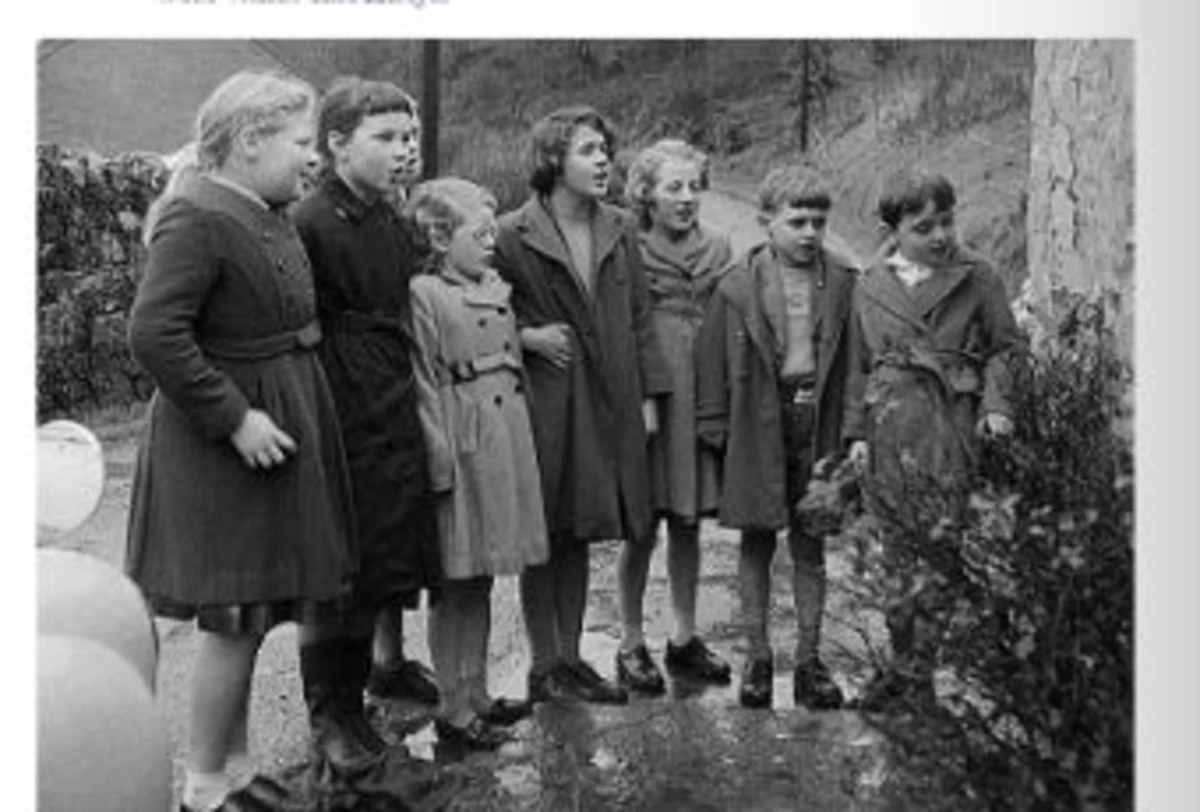
Songs before dawn
If the Mari party won the exchange, the visitors were welcomed inside for food, drink and more music. The hinged jaw could snap, the creature would neigh and the party might include comic characters. Museum Wales dates the earliest surviving account to 1798 and describes the custom as especially popular in Glamorgan, Monmouthshire and Carmarthenshire during the nineteenth century.
The tradition declined during the twentieth century, but it has not vanished. Museum Wales says growing interest has brought a resurgence of Mari Lwyd groups across Wales. That living revival is why the feature feels so timely today: this is not simply folklore behind glass, but a custom still performed, adapted and shared each winter.
The original article also remembers Calennig, the Welsh New Year, when children went from house to house offering good wishes in return for small gifts; Noson Gyflaith, a night of communal toffee-making; wassailing, with a bowl of warm spiced drink shared in hopes of a good apple harvest; and the old Twelfth Night practice of hunting the wren. Different parts of Wales observed these customs in different ways, and not all survived equally strongly.
When the Mari Lwyd comes calling
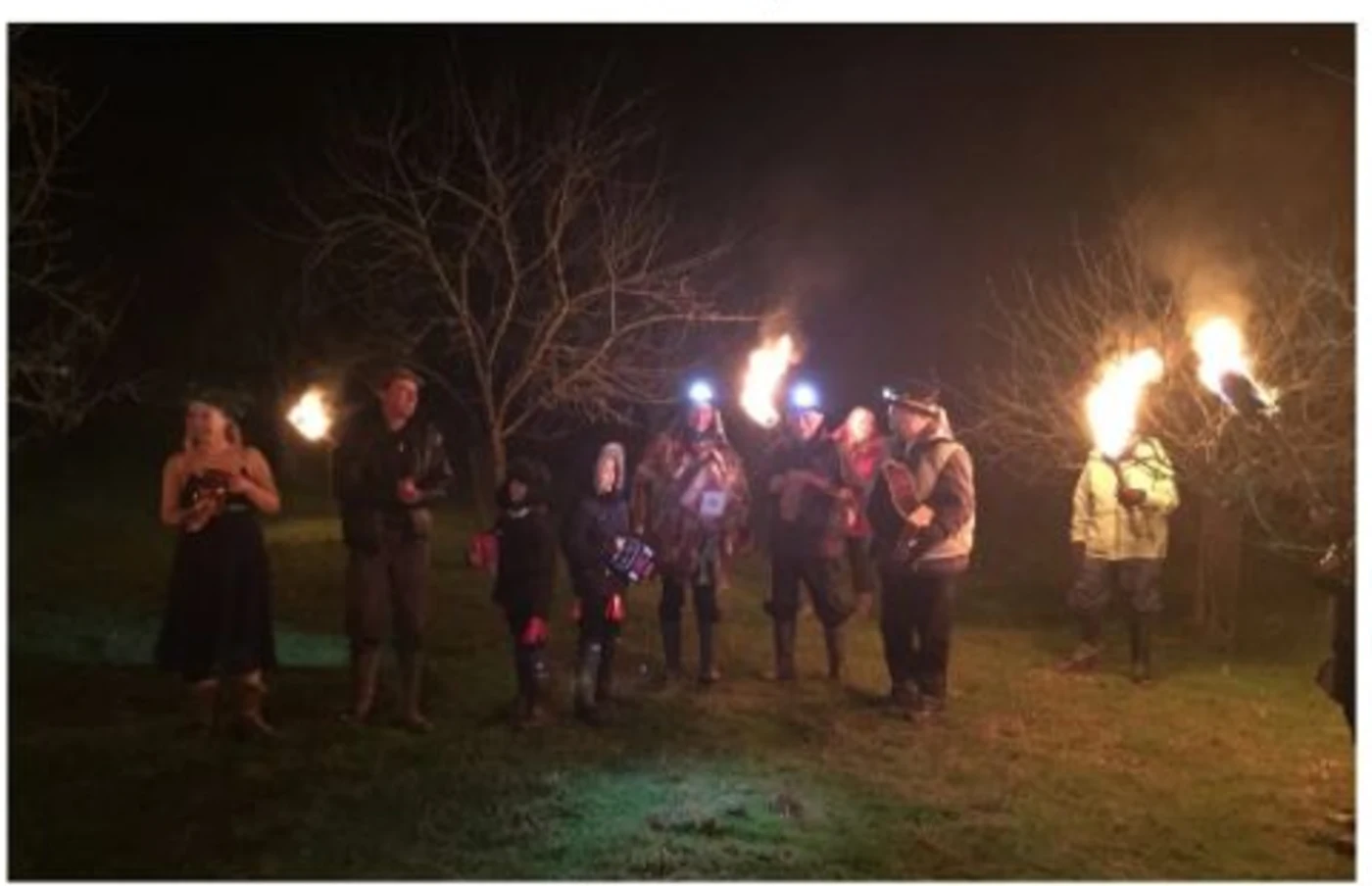
Taken together, they show how communities turned the darkest part of the year into a season of light, song, hospitality and play. The photographs — a dramatic Mari Lwyd, children singing together and torchbearers in the winter dark — make this one of the most visually memorable festive stories in our archive.
For anyone keen to see the traditions in person, St Fagans National Museum of History has current winter programming that includes Mari Lwyd and Hunting of the Wren performances in December 2026 and a Plygain service in January 2027. Dates can change, so check the museum’s official What’s On page before travelling.
This Flashback Friday feature is republished from West Wales Life & Style, November/December 2022, pages 43–46. It has been lightly edited for the web and checked against current Museum Wales material in November 2026. Old advertisements and time-limited information have been omitted; all three photographs appeared in the original article.