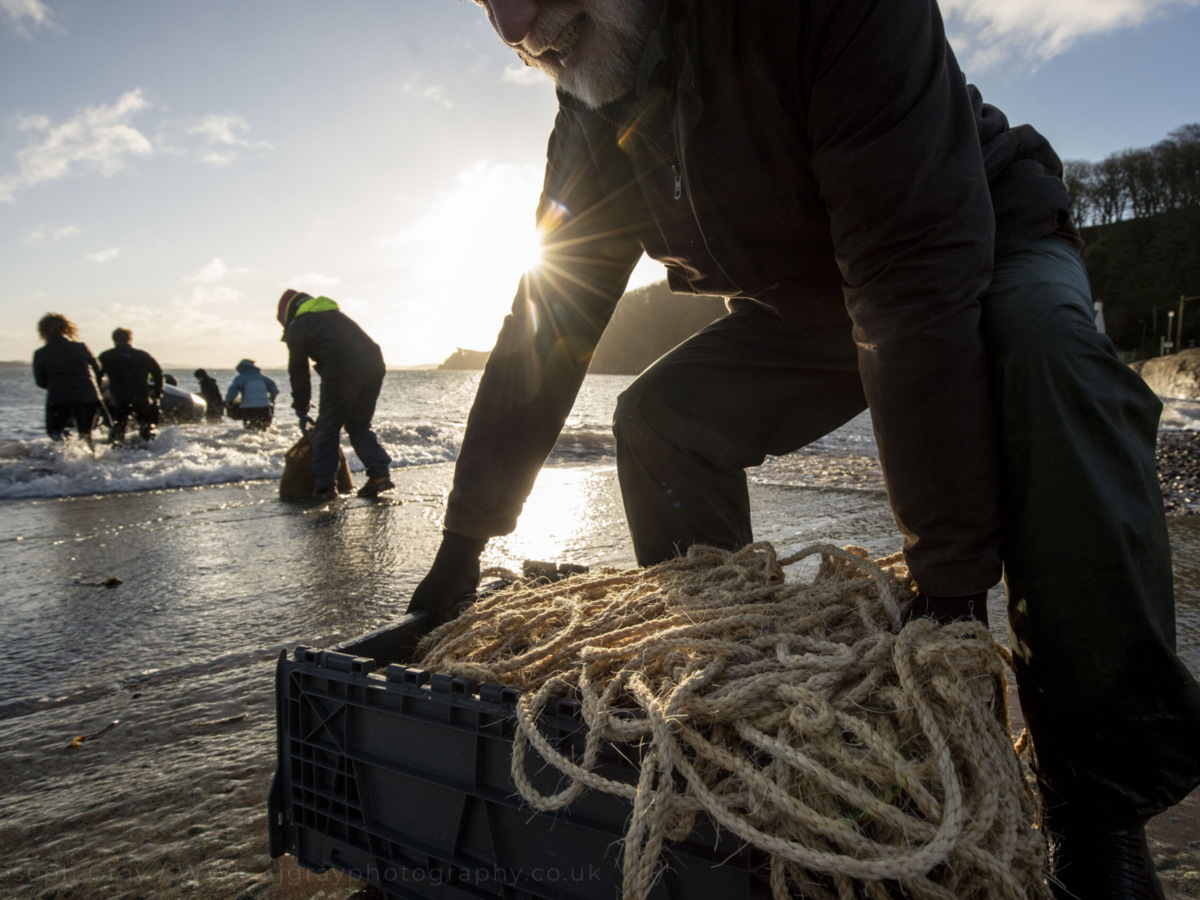
FLASHBACK FRIDAY
Inside Cardigan Bay: Dolphins, Seals and the People Protecting Them
For our first Flashback Friday, we return to a wildlife survey trip from New Quay and the dolphins, seals and seabirds that make Cardigan Bay so special.
First published in our July/August 2022 edition, this feature follows writer Liz Jones as she joins a wildlife survey trip from New Quay harbour aboard Sulaire. The aim is to look for the creatures that thrive along the West Wales coast, from bottlenose dolphins and harbour porpoises to Atlantic grey seals, seabirds and, with luck, some of the bay’s rarer visitors.
Sulaire has carried thousands of passengers around Cardigan Bay, but the boat also has an important second role. It is used by researchers and volunteers from the Cardigan Bay Marine Wildlife Centre to gather information about the wildlife found in these waters.
The centre was established in 1996 with conservation, education and research at its heart. From its base beside the harbour in New Quay, it has helped visitors understand the richness of the bay and the pressures faced by its marine life.
Its founder, Steve Hartley, was among the early West Wales operators to put wildlife watching and conservation together. After years spent at sea, including fishing and angling trips, encounters with dolphins and even leatherback turtles helped inspire a different kind of experience: one that allowed people to enjoy the wildlife while contributing useful observations.
Scientists and volunteers helped build the centre’s long-running programme of research. Today it works as part of The Wildlife Trust of South and West Wales, continuing the practical monitoring, public engagement and education that have defined it from the beginning.
Watching, recording and protecting
Dr Sarah Perry first arrived as a volunteer in the early 2000s. She is now the Trust’s Marine Conservation and Research Manager and has spent many years studying the bottlenose dolphins of Cardigan Bay.
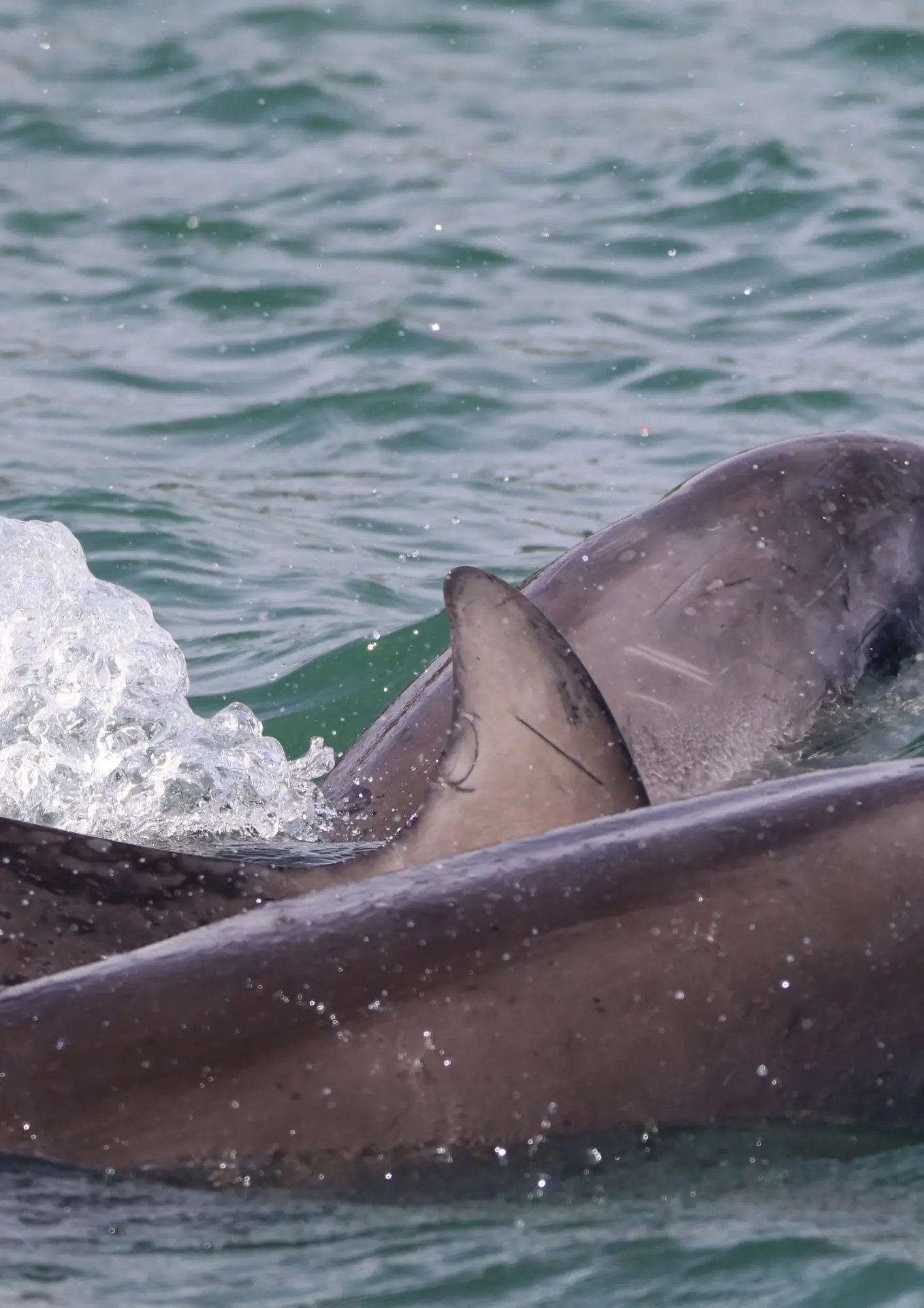
One of the most valuable tools is photo identification. The shape, nicks and markings on a dolphin’s dorsal fin can be distinctive enough for researchers to recognise an individual, building a picture of where animals travel and how they use the bay. Acoustic monitoring adds another layer, recording the whistles and clicks that dolphins use beneath the surface.
Cardigan Bay is internationally important for its marine environment and includes protected areas designated for habitats and species. Long-running surveys help conservationists understand changes over time, while every trip also offers a chance to explain why respectful wildlife watching matters.
The advice remains simple: give marine mammals space, avoid sudden changes of speed or direction and choose an experienced wildlife-watching operator. The Ceredigion Marine Code currently asks vessels to keep at least 100 metres from marine mammals whenever possible.
Why the bay still matters
On Liz’s trip, patience is rewarded. A pair of bottlenose dolphins appears, surfacing in the bay as the boat keeps a respectful distance. Guillemots and kittiwakes bring more life to the journey, and a solitary grey seal completes the roll call.
The sightings are exciting, but the feature’s lasting appeal lies in the work behind them: researchers, volunteers and responsible boat operators steadily building knowledge of a wild place that still holds surprises.
Four years on, the Cardigan Bay Marine Wildlife Centre and Dolphin Survey Boat Trips remain active in New Quay. Sulaire is still part of the survey fleet, alongside Anna Lloyd, and the centre continues its research, conservation and community work.
This Flashback Friday story is republished from West Wales Life & Style, July/August 2022, pages 30–38. Details have been checked and lightly updated for August 2026.