Travel & Places
Milford Haven: 1,500 Years of Maritime History
Milford Haven has been a gateway into West Wales for 1,500 years.
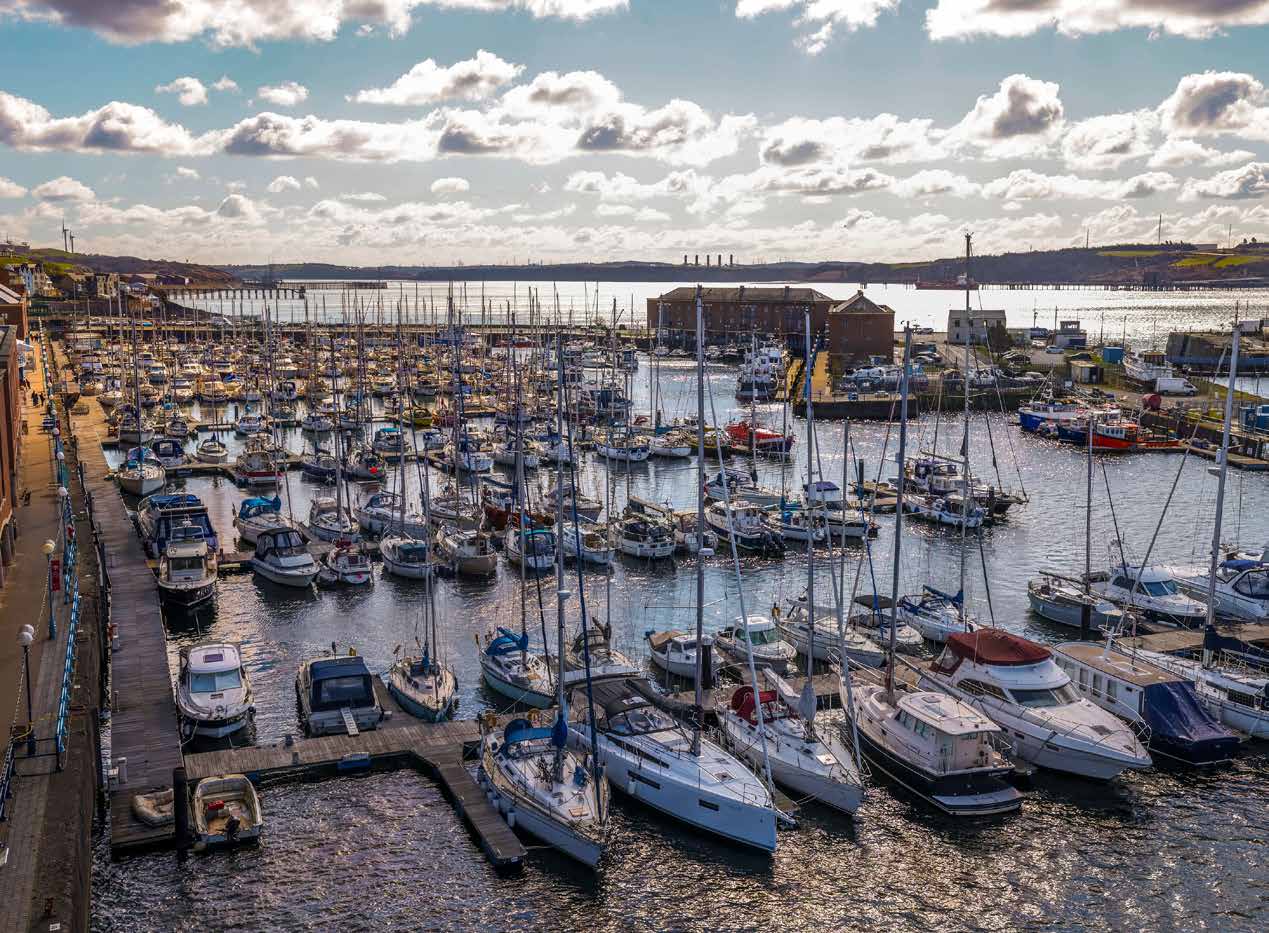
Jade Braham traces the history of Milford Haven from Viking shelter to thriving modern destination Along the sheltered curves of Pembrokeshire’s coastline lies Milford Waterfront, an unassuming harbour where echoes of Viking settlement, the legacy of an 18th-century whaling town, and an eclectic mix of floating cabins and indie shops come together. Following a multi-million-pound redevelopment programme, Milford Waterfront has settled into its reputation as an emerging destination in Wales, with all the right ingredients to turn a working fishing port into an engaging day out. Driving from Haverfordwest along the A4076 to Mackerel Quay is a pleasant experience, but the moment our car descends into the marina, with the glistening water sprawling out as far as the eye can see, the character of the journey shifts entirely. The road seems to give way to the Milford Haven Waterway – one of the deepest natural harbours in the world – where the tide moves more like a breath than a surge.
The cry of gulls circling above the marina and the long, glinting reflections of boats bobbing to their own rhythm hint at how the area has built itself around the tide rather than imposed upon it. As an enormous Irish ferry glides past us, this has never seemed truer. The waterway itself is a geological gift. Formed at the end of the last Ice Age by a drowned valley, or ria, its deep water and tidal estuary have drawn people here for centuries, offering shelter, access and opportunity in equal measure. Its name is rooted in Viking activity; the modern form is an anglicised version of Melrfjordr, which is a reference to sandbanks and inlets instantly recognisable to seafarers seeking refuge. Viking settlers are known to have used the haven as a winter shelter, with history placing the chieftain Hubba and his fleet of 23 ships here in 854.
Even in later centuries, Milford Haven remained an important place. In 1485, Henry Tudor landed at Mill Bay to gather an army and march inland to Bosworth Field. This act was influential in his victory over Richard III and the successful establishment of the Tudor dynasty. Oliver Cromwell later departed from the area on his campaign to Ireland, and in 1802, Admiral Lord Nelson visited during his grand tour, reportedly describing it as “the finest port in Christendom”. Each arrival adds another layer to the sense that this quiet stretch of water has long sat at the margins of major turning points in British history. Proud of its heritage, Milford Waterfront has created a series of The cry of gulls circling above the marina and the long, glinting reflections of boats bobbing to their own rhythm hint at how the area has built itself around the tide rather than imposed upon it. it.
walking routes - Historic Haven, Water Ways and Energy Kingdom - that guide visitors around the marina and past its shops, galleries and working waterfront. True to form, I begin at the end of the Energy Kingdom route, passing a rusting crane that still signals the area’s long and industrious past, echoed in the sailing yachts, fishing boats and visiting cruisers that share the water today.
A natural harbour through history
Milford Haven is the UK’s largest energy port, widely cited as handling around 30 percent of the nation’s gas supply. That identity took shape in 1960, when Esso completed construction of the first oil refinery on the Milford Haven Waterway, marking the beginning of an industry that would come to define this stretch of coast as much as its natural harbour. From here, I follow the marina near Nelson Quay and join the Water Ways route. This section tells the story of how, in the 1700s, Sir William Hamilton enlisted his nephew, Charles Greville, to establish a whaling station here. To set up the station, seven families from Nantucket sailed across the Atlantic, bringing with them their skills, traditions and hope for a new life. Today, only street and place names quietly recall this ambitious, if fleeting, chapter in Milford Haven’s history. A short distance from here brings me to the historic Custom House, one of the town’s oldest buildings.
Originally built in 1797, it is now home to the Milford Haven Museum, where numerous thrilling maritime stories come alive. Inside, accounts and artefacts reveal the tide. possibility. Their stories are a people who once lived here and Back outside, I continue along reminder that a coastal community made the whaling voyages, fishing the Historic Haven route toward can be as much shaped by global fleets, and wartime convoys a the rear of the marina, where trade routes and geopolitics as the AB Campers and Vehicle Conversions, located in West Wales near Carmarthen, specializes in transforming vehicles into travel companions.
Passion-Driven Craftsmanship: The business is driven by a love for travel and innovation, creating unique, custom campers.
Comprehensive Services: Services range from ply lining and window installations to full conversions, including custom and vehicl e conversions upholstery, awnings, and Rock N Roll beds.
Milford Haven today
Tailored to Your Lifestyle: Personalized solutions are offered to meet individual traveler needs, from interior carpeting to exterior styling.
Join us for an evening designed for lingering, laughing, and maybe stealing a bite from each other’s plates. We’re serving a sensational 5-course menu featuring seriously good food and just the right amount of indulgence.
We’re thrilled to announce that The Wolfe Inn has been shortlisted in two categories at the 2026 Business Growth Awards: Our car descends into the marina, with the glistening water sprawling out as far as the eye can see. see.
the view of the boats opens up beautifully. Cafés and restaurants line the waterfront, many serving Pembrokeshire seafood caught just a short distance away. But with its coastal setting, it would be remiss of me not to conclude my exploration at the beach. Along the way, I pass four stylishly designed floating cabins, each offering a distinctive overnight experience that feels perfectly in tune with the waterside setting. I see families lingering on benches, a lone figure skimming stones across the pebble beach, and boats gliding off on adventurous excursions. As darkness descends, the waterfront takes on an entirely different personality. The serene and quiet give way to a vibrancy and energy that is always present in a buzzing community. The streets are adorned with lights from restaurants and boats shimmering across the marina, and conversations overpower the soft hum of water. It’s a moment that encapsulates Milford Waterfront’s appeal: a place defined not by dramatic landmarks or grand gestures, but by continuity, community and calm.